
Table of Contents
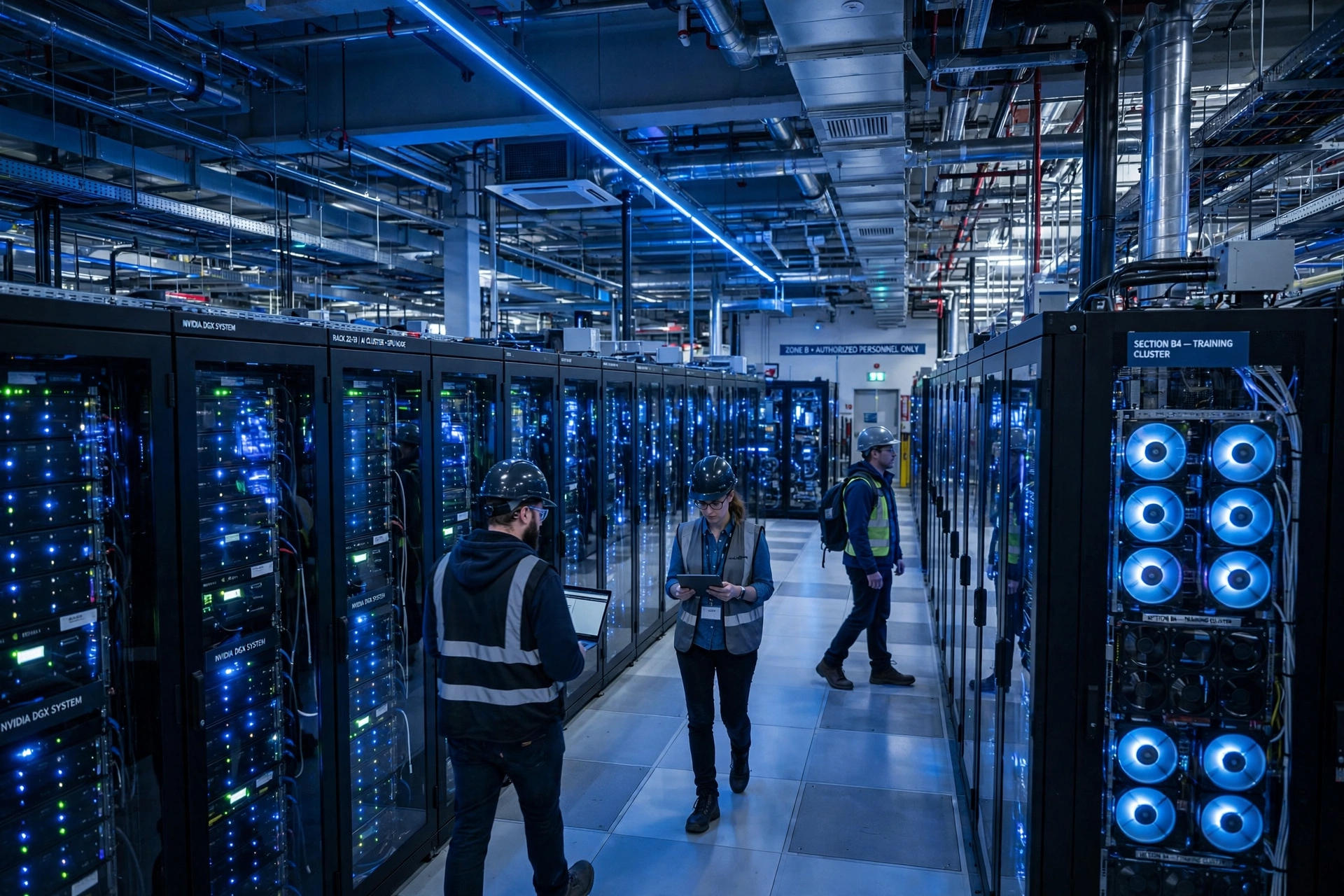
The artificial intelligence boom has a very physical side: rows of power-hungry servers stretching across warehouse-sized buildings, consuming as much electricity as small cities. Technology companies are pouring hundreds of billions of dollars into these data centers, but a growing chorus of analysts is asking an uncomfortable question — is the spending racing ahead of the money AI can actually earn?
The Maths Behind the Concern
Reporting highlighted by The Register points to forecasts in which AI infrastructure spending outstrips the revenue the technology is expected to generate in the same period. One widely shared analysis, covered by PostQuantum, put the scale bluntly: paying for the planned data centers out of labour savings alone would require the equivalent of 250 million jobs, in a country — the United States — that has about 159 million jobs in total.
Those figures are deliberately provocative, and they depend on assumptions about how quickly AI revenue grows. But they capture a real tension. Chips, land, power contracts and cooling systems must be paid for years before the services running on them can prove their value, which makes the current build-out one of the largest capital bets in technology history.
Why Companies Keep Building Anyway
Executives defend the spending with a simple argument: demand for computing power is still outrunning supply, and the cost of falling behind a rival is worse than the cost of overbuilding. Every major cloud provider reports customers waiting for capacity, and each new generation of AI models has so far arrived hungrier than the last.
There is also a strategic logic familiar from earlier technology waves. Railways, broadband networks and cloud computing all went through phases where investment looked excessive — until usage caught up and the infrastructure became indispensable. The tools businesses now run on that infrastructure keep multiplying, from fleet platforms like the one in our guide to TekGPS fleet management to the in-app assistants described in our piece on just-in-time help inside apps. Each of those services quietly assumes cheap, abundant computing in the background.
Power, Water and Local Resistance
The constraints are no longer just financial. Data centers need enormous amounts of electricity and, in many designs, water for cooling. Grid operators in several regions are struggling to connect new facilities fast enough, and communities have begun pushing back against projects they see as bringing few local jobs in exchange for strained infrastructure and higher energy prices.
That pressure is pushing the industry toward efficiency: better chips, smarter cooling, siting facilities near renewable generation, and software that squeezes more work from every server. If those gains arrive quickly, the revenue maths improves. If they stall, the gap between spending and earnings becomes harder to ignore.
What Happens If Revenue Lags
Sceptics draw parallels with previous bubbles, warning that if AI services grow more slowly than forecast, some data centers could sit underused while their owners absorb heavy depreciation on rapidly ageing hardware. Graphics processors lose value quickly as newer generations appear, so a building filled with last year’s chips may not command the prices its business plan assumed.
Optimists counter that AI revenue is compounding from a small base, that prices for computing keep falling in ways that unlock new uses, and that governments now treat data centers as strategic infrastructure worth supporting. Both sides agree on one point: the next two years of earnings reports will matter enormously, because they will show whether usage is closing the gap or the gap is still widening.
The Bottom Line for Everyone Else
For businesses and consumers, the outcome shapes prices and availability far beyond the tech industry. An overbuilt market usually means cheaper AI tools as providers compete to fill capacity. A constrained one means higher prices, waiting lists and slower rollouts of new features.
Either way, the AI era will be decided as much in power stations and server halls as in chatbots and apps. The spending is real, the buildings are rising, and the revenue now has to run to catch up — which makes this less a question of whether AI matters, and more a question of how fast its economics can grow into the infrastructure being built for it.
