
Key Takeaways
- Real-time data on charger locations and availability removes barriers to efficient charging.
- Integration with renewable energy unlocks greener charging solutions for EV owners.
- AI-powered features provide tailored, cost-saving charging recommendations based on driver patterns.
- Seamless app-vehicle integration streamlines the entire charging process and enhances user satisfaction.
As more drivers embrace electric vehicles (EVs), the demand for smarter, more efficient charging technology continues to rise. A key element driving this shift is the emergence of innovative smart charging apps. These apps revolutionize how owners interact with their vehicles, making charging easier, more accessible, and more aligned with sustainable living. With a comprehensive app for EV’s, drivers can access new features that fit neatly into modern lifestyles.
From tracking available chargers to integrating with home and public energy systems, the latest generation of smart charging apps sets new standards for convenience and efficiency. These tools not only make daily charging routines simpler, but also allow drivers to reduce costs and participate in the green energy movement. With smart technology, EV owners are empowered to manage their vehicles and energy consumption more intelligently.
Advanced features, such as predictive charging schedules and remote vehicle controls, have begun to make charging sessions more convenient than ever. As EV ownership expands, these apps are becoming essential for optimizing both short and long trips. The resulting ease of use and energy efficiency help position EVs as a practical and eco-friendly alternative to traditional vehicles.
Meanwhile, industry leaders continue to work on new solutions aimed at improving the entire spectrum of EV ownership.
Real-Time Charger Availability and Status
One of the most important features of a smart charging app is its ability to display real-time information about available charging stations and their operational status. This resolves a central frustration for drivers who often worry about arriving at a busy or non-functioning charger. Platforms like PlugShare and ChargePoint aggregate data from multiple charging networks, providing a comprehensive and up-to-date snapshot of charger locations, compatibility, and current activity. These live updates reduce range anxiety and empower users to confidently plan routes and charging stops.
Integration with Renewable Energy Sources
In line with the growing emphasis on environmentally conscious driving, many smart charging apps now connect users with charging stations powered by renewable sources such as solar and wind. Some applications even allow drivers to select greener charging locations or schedule charging at times when renewable energy supply is highest. This not only supports the EV community’s sustainability goals, but also helps accelerate adoption of clean energy technology across regions. By giving drivers more control over their environmental impact, smart charging apps reinforce the promise of a more sustainable transportation model.
Personalized Charging Recommendations
Artificial intelligence (AI) and machine learning (ML) have brought a new level of personalization to smart charging apps. By analyzing each driver’s unique habits, driving range, and energy consumption, these applications can recommend optimal times and locations to charge. Not only does this convenience result in lower energy bills by taking advantage of off-peak electricity rates, but it also maximizes battery longevity and overall vehicle performance. Furthermore, these insights are continually refined as users interact with the app, ensuring recommendations keep pace with evolving driving patterns and preferences.
Seamless Vehicle Integration
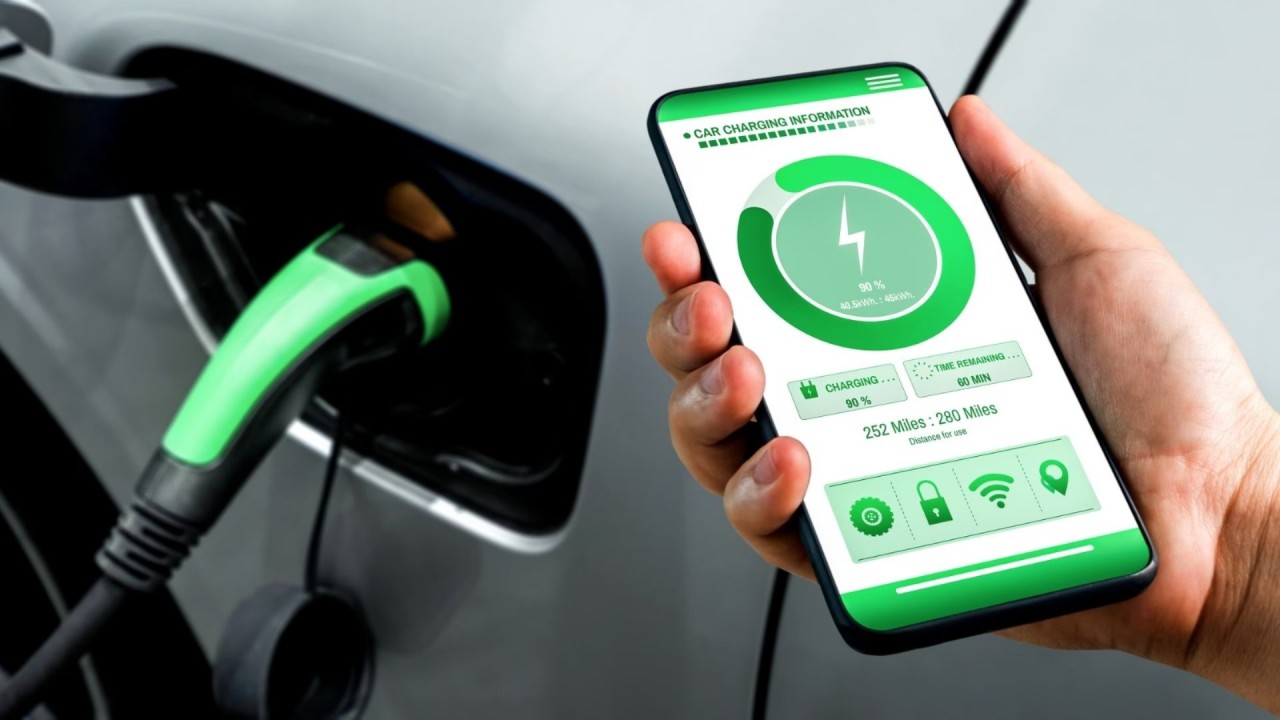
Smart charging apps are increasingly designed to work seamlessly with the vehicle’s internal systems. This allows drivers to remotely start or stop charging sessions, monitor real-time progress, and even control the vehicle’s climate systems before departure. Integrated vehicle data can also prompt automatic energy management actions, such as suggesting a nearby high-speed charger when the battery is low or scheduling a session to coincide with renewable energy peaks. This level of integration removes much of the guesswork from EV ownership, making charging as effortless as possible for new and experienced users alike.
Enhanced User Experience and Personalization
Looking ahead, developers are focused on making smart charging apps even more intuitive and engaging. Recent updates include voice assistant compatibility and interactive features, such as gamification and rewards programs. Some platforms offer incentives for drivers to use certain charging stations or adopt sustainable behaviors, turning routine charging into an opportunity for users to save money or earn perks. The result is a more enjoyable and motivating experience that encourages stronger loyalty and regular app engagement.
Integration with Navigation Systems
Another major advancement is the integration of smart charging apps with in-vehicle navigation systems. By factoring energy use, real-time traffic, and charger locations into route planning, these solutions ensure drivers never have to second-guess the best path to their destination. Route optimization considers battery state of charge, charging station speed, and user preferences, saving time and streamlining long journeys. This tight link between navigation and charging means less waiting and fewer surprises along the way.
Conclusion
Smart charging apps have become an essential part of the evolving EV ecosystem. Their features—ranging from live data on charger availability to deep AI-powered personalization, help overcome traditional hurdles to electric vehicle ownership. Greater integration with both renewable energy sources and vehicle systems means a more sustainable, convenient, and enjoyable driving experience. As technology progresses, these apps are expected to become even more refined and indispensable, further accelerating the transition to electric mobility. In addition, as the networks expand and more partnerships are formed between car manufacturers and app developers, users will benefit from even smoother interoperability and increased availability. As these improvements converge, the everyday EV driver experience will continue to evolve, making electric mobility a truly mainstream and accessible option for people worldwide.
