
Table of Contents
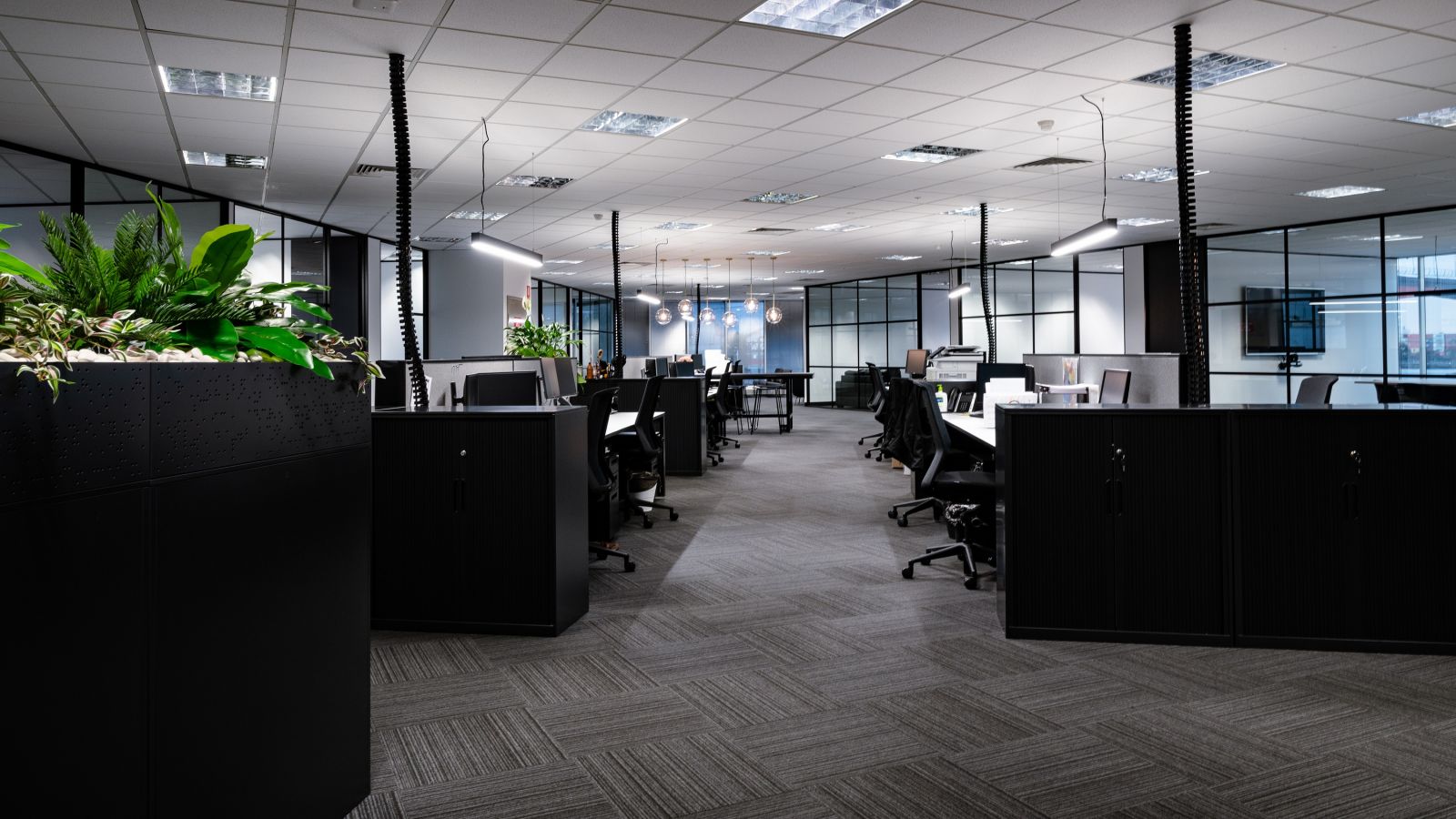
Moving into a new commercial space or refreshing an existing one is exciting, but it’s also one of the biggest financial commitments a business will make outside of rent itself. A commercial office fit out covers everything from partitioning and flooring to electrical work, furniture, and technology — and costs can spiral quickly if you don’t plan for every line item upfront. Whether you’re taking on a bare “shell and core” space or upgrading a tired existing office, understanding where the money actually goes will help you avoid nasty surprises and keep the project on track.
Here’s a breakdown of what to budget for.
1. Design and Space Planning
Before any physical work begins, you’ll need a floor plan that makes sense for how your team actually works. This usually involves a designer or fit out specialist who accounts for desk ratios, meeting rooms, breakout areas, and compliance with building codes. Design fees typically run as a percentage of the total project cost, but skimping here often leads to expensive rework later, so it’s worth treating as a genuine budget line rather than an afterthought.
2. Base Building Works
If you’re fitting out a shell space, you’ll need to budget for the essentials: ceilings, flooring, partition walls, painting, and lighting. Even in a space with existing fit out, older offices often need upgraded cabling, air conditioning adjustments, or fire safety compliance work. These “invisible” costs — the ones you don’t see once the office is finished — can quietly eat up a large share of the budget.
3. Electrical, Data, and IT Infrastructure
Modern offices run on connectivity. Budget for power outlets, data cabling, server or comms rooms, and enough capacity for future growth. It’s far cheaper to run extra cabling during the fit out than to retrofit it once desks and partitions are in place, so it pays to slightly over-provision here.
4. Furniture, Fixtures, and Equipment (FF&E)
Desks, chairs, storage, breakout furniture, and kitchen fit outs all fall under FF&E. This category has enormous price flexibility — you can spend a little or a lot depending on brand and quality — so it’s a good area to set a clear per-person budget early and stick to it.
5. Signage and Branding
Reception signage, wayfinding, and branded finishes help a space feel like your company rather than a generic office. These costs are often underestimated because they’re seen as “nice to haves,” but they usually need to be locked in before final handover.
6. Compliance, Permits, and Certification
Depending on your location and building type, you may need building permits, fire safety certification, or accessibility compliance sign-off. These costs vary significantly and are easy to overlook until a building certifier flags an issue mid-project — so it’s worth getting advice on requirements before work starts, not after.
7. Contingency Fund
No fit out ever goes exactly to plan. Unexpected structural issues, supply delays, or last-minute design changes are common. Most experienced project managers recommend setting aside 10–15% of the total budget as contingency, rather than treating it as optional.
8. Project Management and Move Costs
Someone needs to coordinate trades, timelines, and inspections — whether that’s an internal project manager or an external fit out company. On top of that, don’t forget the practical costs of the move itself: removalists, IT downtime, temporary storage, and any overlap period where you might be paying for two spaces at once.
A Tip for Launch Events
Once the fit out is complete, many businesses like to mark the occasion with an office warming or client event — and if your new space isn’t quite ready for a big gathering, or you simply want a change of scenery, looking into party venue hire in Melbourne is a good way to celebrate the milestone without adding extra strain to your freshly finished office.
Final Thoughts
A commercial office fit out is rarely just one cost — it’s a collection of interconnected budget lines, each with its own risk of blowing out if left unmanaged. Building a detailed, category-by-category budget from the start — and keeping a genuine contingency buffer — is the best way to make sure your new office is finished on time, on brand, and on budget.
