
Fast-moving businesses rely on speed, precision, and reliability when it comes to transporting goods. Air freight has become a critical solution for companies that need to move cargo quickly across domestic and international routes. Understanding how these services operate helps businesses make informed logistics decisions and stay competitive in a global marketplace.
What Is Air Freight and Why It Matters
Air freight refers to the transportation of goods via aircraft, offering one of the fastest shipping methods available. It is commonly used for time-sensitive, high-value, or perishable items that require quick delivery.
Unlike other modes of transport, air freight prioritizes speed and efficiency. This makes it ideal for industries such as e-commerce, pharmaceuticals, and electronics, where delays can lead to significant losses.
The Step-by-Step Air Freight Process
The process begins with booking and documentation. Shippers provide details about the cargo, including weight, dimensions, and destination. Proper documentation is essential to ensure compliance with aviation and customs regulations.
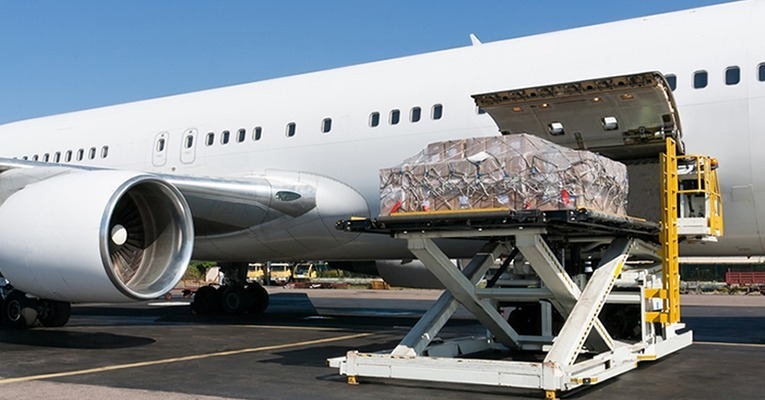
Once booked, the cargo is collected and transported to the airport. It undergoes security checks and screening before being prepared for loading. Packaging and labeling must meet strict standards to ensure safety during transit.
After loading, the cargo is flown to its destination. Upon arrival, it goes through customs clearance before being delivered to the final recipient. Each step is carefully coordinated to maintain efficiency and avoid delays.
Role of Freight Forwarders
Freight forwarders play a key role in managing air shipments. They act as intermediaries between shippers and airlines, handling logistics planning, documentation, and coordination.
Businesses looking for Air freight services in Brisbane often rely on forwarders to streamline the process. These professionals ensure that shipments are handled efficiently, reducing the risk of errors and delays.
Their expertise is especially valuable for international shipments, where regulations and requirements can vary significantly between countries.
Types of Air Freight Services
Air freight services are not one-size-fits-all. Options include express shipping for urgent deliveries, standard freight for cost-effective transport, and charter services for oversized or specialized cargo.
Each option is designed to meet specific needs. Choosing the right service depends on factors such as urgency, budget, and the nature of the goods being transported.
Cost Factors and Pricing
Air freight is generally more expensive than other shipping methods, but the speed and reliability often justify the cost. Pricing is influenced by factors such as weight, volume, distance, and fuel charges.
Additional costs may include customs duties, handling fees, and insurance. Understanding these components helps businesses plan their logistics budgets more effectively.
Companies exploring Air Freight Brisbane solutions often compare different providers to find a balance between cost and service quality.
Benefits of Air Freight
One of the biggest advantages of air freight is speed. Shipments that might take weeks by sea can be delivered in a matter of days or even hours.
Reliability is another key benefit. Airlines operate on fixed schedules, reducing the likelihood of delays. Enhanced security measures also make air freight a safer option for valuable goods.
Additionally, air freight allows businesses to reach global markets quickly, supporting growth and expansion.
Challenges to Consider
Despite its advantages, air freight comes with certain limitations. Higher costs can be a barrier for some businesses, especially for large or low-value shipments.
There are also restrictions on certain types of goods, including hazardous materials. Proper compliance with regulations is essential to avoid disruptions.
Weather conditions and air traffic can occasionally cause delays, although these are generally less frequent compared to other transport methods.
The Future of Air Freight
Air freight continues to evolve with advancements in technology and logistics. Innovations such as real-time tracking, automated systems, and improved cargo handling are enhancing efficiency and transparency.
This aligns with digital transformation in global supply chain management, where technology plays a central role in optimizing operations and improving customer experience.
Conclusion
Air freight services offer a fast and reliable solution for transporting goods across distances. By understanding how the process works—from booking and handling to delivery—businesses can make smarter logistics decisions.
Whether for urgent shipments or global expansion, air freight remains a vital component of modern trade. With the right planning and support, it provides a powerful tool for meeting today’s fast-paced business demands.
