
Table of Contents
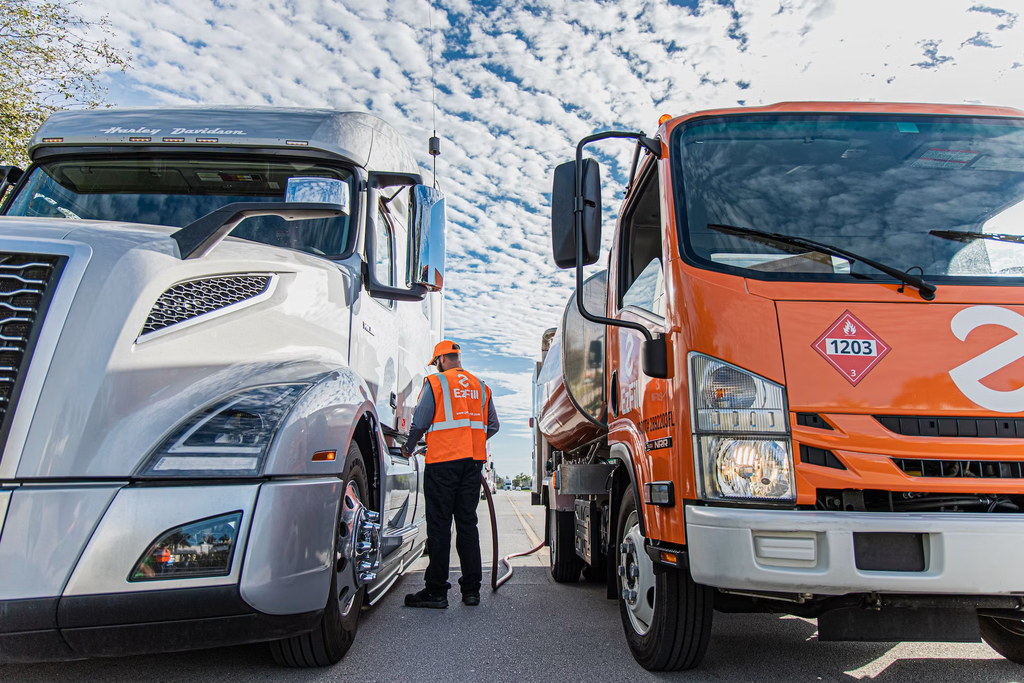
Running out of fuel can bring work, travel, or business operations to a sudden stop. For construction companies, fleet operators, farms, contractors, and other businesses, even a short delay can lead to lost time and higher costs. Traditional fueling often requires drivers or workers to leave a job site, travel to a fuel station, wait in line, and return with the equipment ready to work. Mobile fuel delivery services offer a simpler solution by bringing fuel directly to the location where it is needed.
Instead of moving vehicles and equipment to a gas station, a mobile fuel provider delivers diesel, gasoline, DEF, and other approved fuel products directly to a job site, fleet yard, farm, generator location, or commercial property. This approach can make fueling faster, more convenient, and easier to manage.
As businesses look for better ways to control operating costs and reduce downtime, on-site fuel delivery is becoming an important part of modern fleet and equipment management. Whether you operate a few work trucks or manage a large commercial fleet, having fuel delivered to your location can help keep operations moving.
What Are Mobile Fuel Delivery Services?
Mobile fuel delivery services provide fuel transportation directly to customers instead of requiring them to visit a traditional fuel station. A trained fuel delivery professional arrives at the requested location with a specialized fuel truck or delivery vehicle and supplies the required fuel to vehicles, machinery, storage tanks, generators, or other approved equipment.
The service is designed around convenience and operational efficiency. A business can arrange a delivery based on its fuel needs, schedule, and location. Depending on the provider and service area, deliveries may be available during regular business hours, after hours, or through scheduled recurring programs.
One of the biggest advantages is that fuel can be delivered where work is actually taking place. A construction company, for example, may have excavators, loaders, generators, and other diesel-powered equipment operating at a remote project. Moving every machine to a fuel station may be impractical. With on-site fuel delivery, the fuel truck can come directly to the construction site.
The same concept applies to fleet yards. Instead of sending several drivers to a fueling station, a company can arrange for a fuel delivery truck to arrive at its facility. Vehicles can then be fueled at the yard, reducing unnecessary travel and keeping employees focused on their normal responsibilities.
Mobile fueling can also support emergency situations. If a vehicle, generator, or piece of equipment is low on fuel and cannot reasonably reach a station, a mobile fuel provider may be able to deliver fuel directly to the location. Availability depends on the provider, service area, fuel type, and delivery conditions.
These services are not limited to diesel. Many providers offer several fuel products, including gasoline, diesel fuel, and diesel exhaust fluid, commonly known as DEF. Businesses should confirm the exact products and delivery options offered by their selected provider before scheduling service.
Why Businesses Choose On-Site Fuel Delivery
Time is one of the most valuable resources for any business. When employees spend part of their workday driving to fuel stations, waiting to refuel, and returning to a job site, that time can add up quickly. Mobile fuel delivery services help reduce this unnecessary travel by bringing fuel directly to the business.
For fleet managers, this can create a more organized fueling process. Vehicles can be fueled at a central location instead of being sent individually to different gas stations. This may make it easier to establish a consistent fueling routine and monitor fuel consumption.
Construction companies can also benefit from on-site diesel delivery. Heavy equipment often consumes large amounts of fuel, and machines may operate far away from public fuel stations. A scheduled delivery can help keep equipment available for work rather than sitting idle while someone searches for fuel.
Fuel delivery can be particularly useful for businesses with strict schedules. A missed delivery, delayed project, or inactive machine can affect several parts of an operation. Keeping adequate fuel available helps reduce the risk of avoidable interruptions.
Another benefit is convenience for employees. Drivers and operators can spend more time performing their main duties instead of handling fuel runs. For a company with a large workforce, reducing repeated trips to fueling stations may produce meaningful efficiency improvements over time.
Businesses may also use commercial fuel delivery for generators and backup power systems. Construction sites, warehouses, agricultural operations, events, and commercial properties may rely on diesel generators when grid power is unavailable or additional power is required. Having fuel delivered directly to the generator location can make fuel management easier.
Fuel delivery can also support agricultural operations. Tractors, combines, irrigation equipment, and other machinery can operate across large areas. Taking agricultural equipment to a fuel station may be difficult, especially during busy planting or harvesting periods. On-site diesel delivery allows farms to refuel equipment closer to where it operates.
The value of fuel delivery ultimately depends on the customer’s operation. A small business with limited fuel consumption may not need frequent deliveries, while a large fleet or heavy-equipment operation may benefit from a regular fueling schedule.
How Mobile Fuel Delivery Works
The process for using mobile fuel delivery is generally straightforward. Customers first contact a fuel delivery provider and provide information about their location, fuel type, quantity, and delivery requirements. The provider then determines the appropriate delivery method and schedules a suitable time.
Accurate information is important because fuel requirements can vary significantly between customers. A fleet yard may need a large diesel delivery, while another customer may need gasoline for specific vehicles or DEF for diesel-powered trucks equipped with selective catalytic reduction systems.
Once the order is scheduled, the fuel delivery vehicle travels to the approved delivery location. The delivery professional follows the provider’s safety procedures while positioning the vehicle and connecting the appropriate equipment. Fuel is then transferred into the customer’s vehicle, tank, or approved equipment.
For recurring customers, the process can become even easier. A business may establish a regular fueling schedule based on historical consumption. For example, a fleet that uses a predictable amount of diesel each week may arrange scheduled deliveries rather than placing separate orders every time fuel levels become low.
Effective fuel management is an important part of this process. Businesses should monitor how much fuel they use, how frequently equipment is operating, and when deliveries are required. Tracking consumption can help prevent both fuel shortages and unnecessary deliveries.
Some businesses also use bulk fuel storage tanks at their facilities. In this situation, the mobile fuel provider delivers fuel directly into the storage tank. Vehicles and equipment can then be fueled from the on-site supply when needed. Businesses considering bulk fuel storage should make sure their tanks, installation, location, and operating practices comply with applicable safety and environmental requirements.
Safety should always be a major consideration. Fuel is a flammable material, so delivery and storage require appropriate procedures. Professional fuel providers should use suitable equipment and follow applicable transportation, handling, and environmental requirements. Customers should also maintain safe access to fueling areas and keep ignition sources away from fueling operations.
DEF delivery may be handled alongside diesel delivery for businesses operating modern diesel vehicles and equipment. DEF is not a fuel. It is a fluid used by many diesel vehicles to help reduce certain emissions. Keeping enough DEF available can be important because a vehicle may have operating limitations when its DEF supply becomes critically low.
Because service capabilities vary, customers should ask providers about delivery areas, minimum order quantities, available fuel types, scheduling options, emergency service, and payment procedures before choosing a company.
Choosing the Right Mobile Fuel Delivery Provider
Choosing a reliable fuel delivery provider is an important business decision. Price matters, but it should not be the only factor. A low delivery price may not provide much value if deliveries are frequently late or the provider does not offer the fuel products your operation needs.
Start by considering service availability. A provider should be able to consistently serve your operating area and deliver to the locations where your vehicles or equipment work. Businesses with multiple job sites should ask whether the provider can support deliveries across all required locations.
Fuel quality is another important consideration. Poor-quality or contaminated fuel can create serious problems for engines and fuel systems. A reputable provider should have appropriate procedures for fuel handling, transportation, and storage.
Reliability is especially important for companies that depend heavily on diesel fuel. A missed delivery can potentially affect trucks, heavy equipment, generators, and production schedules. Look for a provider with a strong reputation for dependable service and clear communication.
Businesses should also evaluate delivery flexibility. Some customers need scheduled commercial fuel delivery, while others may occasionally require urgent service. Understanding the provider’s normal delivery windows and emergency options can help you select a service that matches your operation.
Technology can improve fuel management as well. Some fuel delivery companies offer digital ordering, delivery records, usage tracking, invoices, or other tools that help businesses monitor their fuel expenses. These features can be valuable for fleet managers who need accurate records.
Customer service also matters. A good provider should make it easy to ask questions, change delivery details, and resolve issues. Clear communication can be particularly important when multiple job sites or large fuel quantities are involved.
Before agreeing to a long-term arrangement, businesses should understand the complete pricing structure. Ask about fuel pricing, delivery fees, minimum quantities, after-hours charges, emergency service rates, and any other applicable costs. Comparing providers based on total value rather than a single advertised price can lead to a better decision.
Businesses should also verify that the provider is properly equipped and qualified to transport and deliver fuel in the areas where it operates. Fuel transportation and storage can be subject to federal, state, and local rules, so professional compliance is an important part of responsible fuel delivery.
The Future of Mobile Fueling and Smarter Fuel Management
The demand for convenient fueling solutions is likely to remain strong as businesses continue searching for ways to improve efficiency. Modern operations depend on trucks, heavy machinery, generators, agricultural equipment, and other fuel-powered assets. Keeping these assets supplied with fuel is essential to maintaining productivity.
Mobile fuel delivery services fit naturally into this changing business environment because they bring fueling directly into the customer’s workflow. Instead of treating fuel as a separate task that requires employees to leave the workplace, companies can incorporate fueling into their normal operational schedule.
Fleet management is one area where this approach can have a major impact. Companies can coordinate fuel deliveries with vehicle schedules, maintenance programs, and equipment usage. This can create a more predictable fueling routine and reduce unnecessary vehicle movement.
Construction is another strong use case. Projects often change locations, and some sites may be far from convenient fueling stations. Mobile diesel delivery can provide a practical solution for heavy equipment working in these environments.
As businesses collect more information about fuel consumption, they can make better purchasing and scheduling decisions. Tracking fuel usage can reveal which vehicles consume the most fuel, when demand increases, and how much fuel is normally required at different locations. This information can support more accurate fuel planning.
Environmental responsibility is also becoming more important. Efficient fuel management can help reduce unnecessary trips and improve operational planning. At the same time, responsible fuel handling, spill prevention, proper storage, and regulatory compliance remain essential.
The future of fueling is not simply about moving fuel from one place to another. It is about making fuel available at the right location, at the right time, and in the right quantity. Mobile fueling supports this idea by connecting fuel supply with actual business operations.
For companies that depend on fuel every day, this can provide a meaningful operational advantage. A well-planned delivery program can reduce interruptions, simplify fueling, and give managers greater control over their fuel supply.
Conclusion
Mobile fuel delivery services provide a convenient way for businesses, fleets, construction companies, farms, contractors, and equipment operators to receive fuel where they need it. By bringing diesel, gasoline, DEF, and other available products directly to job sites, fleet yards, equipment locations, and commercial facilities, mobile fueling can reduce unnecessary trips and help keep operations running.
The right provider should offer dependable delivery, quality fuel, safe handling, flexible scheduling, transparent pricing, and service that matches your specific needs. Businesses should also pay attention to fuel consumption and maintain proper storage and safety practices.
As companies continue looking for practical ways to save time and improve productivity, on-site fuel delivery offers a simple and effective approach. Instead of making fuel a reason to stop work, businesses can make fueling part of a smarter, more efficient operation.
